
How To Quit Drinking
Caught in a booze loop, hungover, and hating life? Same. Here’s how I clawed my way out, one messy, sober day at a time.
Sara Lane
5/8/202410 min read


Alcohol had its (white) claws in me. a little drink humor
I couldn’t escape it, no matter how many promises I made to myself. I’d manage to not drink for a day or two, only to binge like I was making up for lost time. Stuck in the loop of drinking, hungover, feeling physically and emotionally wrecked for days afterward.
I would sit on Pinterest for hours reading sobriety blogs, just like this one, wishing I could crawl out of the hole I had drunk myself into. I didn’t need any more proof; moderation wasn’t an option for me. One drink was never just one. It always led to more. I knew I had to quit, not for a week or a month, but permanently. And that terrified me.
So, I made a plan.
Quitting alcohol FOREVER felt overwhelming and scary, so I broke it down. I started by preparing my mindset. I read books, blogs, and anything I could find from people who had done it before me. I allowed myself to feel the sadness, the anxiety, the discomfort. I didn’t run from it. I embraced the suck of early sobriety.
It was a war inside my head. I argued with myself constantly, talking myself out of “just one drink” more times than I could count. But over time, that screaming inner voice got quieter. Eventually, it became a whisper that I could ignore. And now, four years later, that voice is usually silent.
The early stages of sobriety were mentally and emotionally exhausting. If you’re heading into it, you need to be prepared. Have a plan.
How will you fill the time you used to spend drinking or hungover?
How will you deal with boredom – a major trigger?
How will you manage anxiety during early withdrawal?
How will you face social situations where the pressure to drink is constant?
These are not just questions, these are your tools. Sobriety isn’t just about not drinking. It’s about relearning how to live without alcohol as a crutch, a numbing agent, or a reward.
Take it one day at a time. Seriously! Just today. Your only goal is to go to bed tonight without drinking. Don’t think about next week or next month. That kind of pressure can break you.
Sobriety is a commitment made all day, every day, but only for that day. And when you string those days together, you build something powerful: a life you don’t need to escape from.
Plan For Quitting Drinking
1. Therapy
You’ve been numbing your emotions with alcohol for who knows how long and now you’re forced to face them in the harsh light of reality. It’s tough and uncomfortable, but this is necessary. Developing healthy coping mechanisms is key not just for your healing, but for staying accountable to yourself and your goals.
That said, let me be real with you, therapy just hasn’t worked out for me. I’ve always struggled with opening up to strangers, and I don’t find it easy to talk about my feelings. Feelings suck. Things like not having money, availability, or childcare have made therapy feel out of reach. And if I’m being honest, even if I could go, I don’t want to.
So if therapy isn’t your thing either, you’re not out of options. You’ll just need to be intentional about building your own coping strategies and support systems. That’s where having a sobriety toolbox comes in – a collection of personalized strategies to manage your emotions, triggers, and stress without turning to alcohol.
I’ve put together a list of tools and tactics that helped me, feel free to check it out. Disclaimer: I’m not a therapist, and what worked for me might not work for you. If you’re looking for ideas to build your own plan, it’s a good place to start.
Also, connection matters. Even if therapy isn’t a fit, support is non-negotiable. Find a local sober community online or look for local sober meetups. Find people who get it. You don’t have to share your entire story right away, just being around others who are on the same path can make a huge difference.
2. Quit Lit
One of the most important keys to recovery is knowing what to expect when you stop drinking. Sobriety isn’t just about removing alcohol, it’s about mentally preparing for the emotional and physical rollercoaster that follows. There will be highs, lows, and moments that catch you off guard unless you take time to get ahead of them.
The best way to prepare? Educate yourself. Blogs, books, podcasts, Reddit, Pinterest – these are incredible resources for building your knowledge, mindset, and support system. I can’t stress this enough: read or listen to something every single day. Feed your mind with motivation, insight, and reminders of why you’re doing this. It helps you stay focused and grounded, especially in the tough moments.
I read somewhere that a symptom of early sobriety was anxiety. For me, this turned out to be nearly debilitating PANIC. Thankfully, I had a plan in place. I told myself that if I started to feel anxious, I’d take a hot shower because that’s something that’s always helped me. It sounds simple, but that little plan saved me. It helped me ride out what turned into some pretty intense anxiety.
3. Track Your Progress
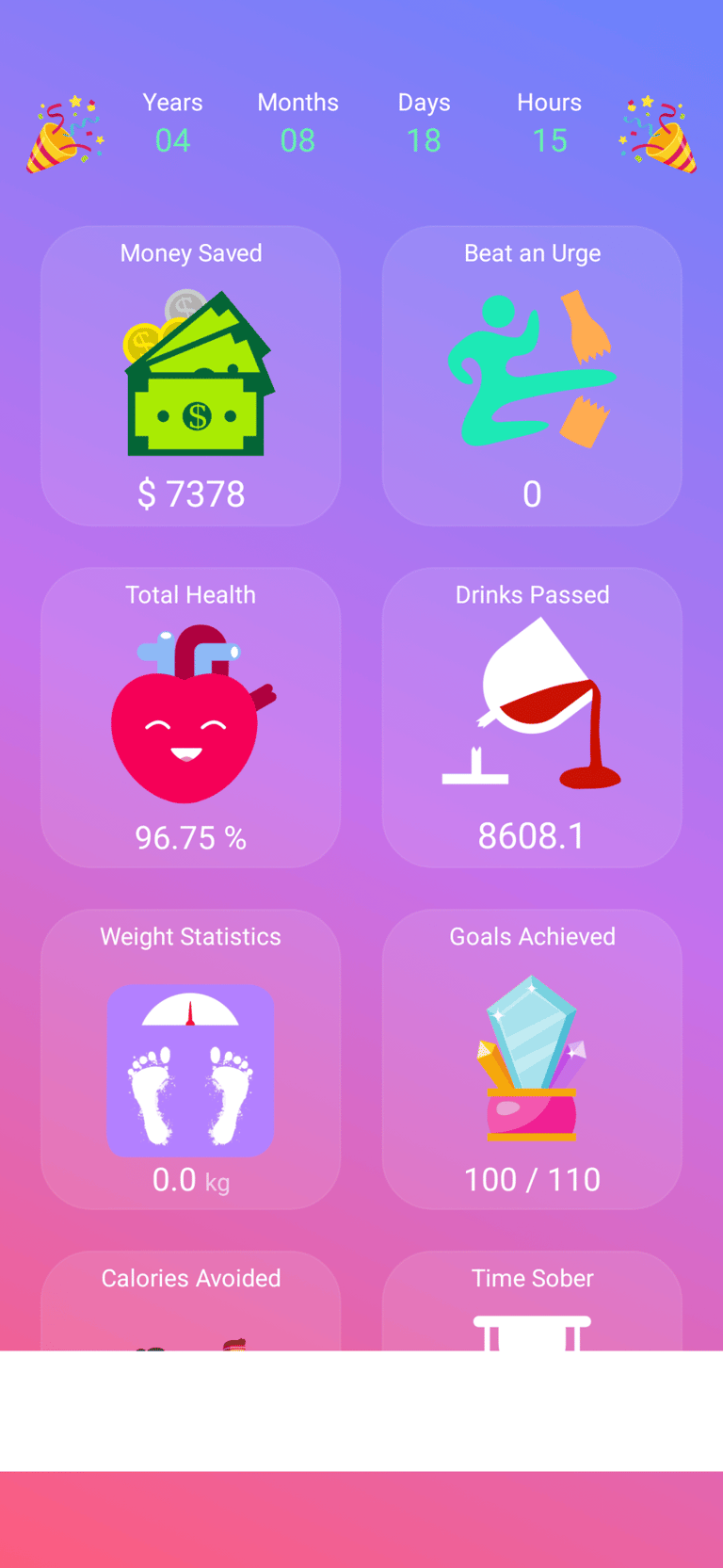
One of the most helpful tools I’ve used in my sobriety journey is the EasyQuit app, which I use for quitting both drinking and smoking. This app has been a total game changer for me.
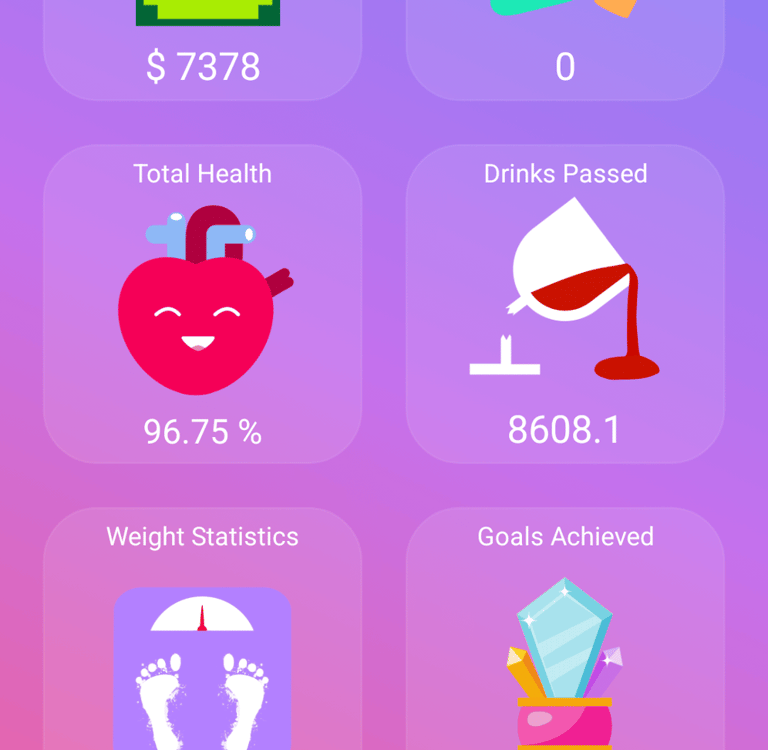
There’s something incredibly motivating about seeing your progress laid out in real time. EasyQuit tracks how many drinks or cigarettes you’ve avoided, how much money you’ve saved, and the health benefits you’ve gained along the way. Watching those numbers climb: days sober, money back in your pocket, improvements to your health – is a powerful reminder of how far you’ve come.
The app also includes daily tips and a memory game to distract your brain when cravings hit, which sounds simple, but can be surprisingly effective when you’re in the moment and just need something to ride the wave.
I recommend tracking your progress if you’re someone who likes visual motivation or wants something concrete to check in with each day.
4. How to Handle Triggers and Cravings
One of the most important things you can do in early sobriety is identify your triggers – the moments, feelings, or environments that make you want to drink, and figure out how to either avoid them or cope with them in a healthier way.
I’ve already shared a few of mine – like boredom and social situations. Another big one? 5 p.m. on a Friday. That “end of the week” signal was deeply ingrained as a time to unwind with alcohol. Since I can’t exactly avoid Friday evenings, I had to retrain myself to wind down differently through things like walks, trash TV, or intentionally planned desserts.
Celebrations were another major trigger. For a long time, I associated them with drinking – toasting, partying, all of it. Now? I celebrate with cake and ice cream (and yes, it turns out that’s way more satisfying than a hangover). The point is, you’re not giving up celebration, you’re just doing it differently.
Your physical environment can also be a factor: bars, parties, certain friends, sporting events. When these pop up, write them down. Acknowledge them. Then pause, breathe, and ask yourself how you can respond differently.
Having a plan in place is everything. In early sobriety, you don’t want to rely on willpower alone, you want tools and strategies that actually work. Over time, those tools become your new normal. What once felt like resistance becomes second nature.
This isn’t about deprivation or saying no forever. It’s about replacing a harmful habit with something that genuinely feels better – something that supports the life you’re building.
5. Self Care For Sobriety
Overcoming addiction is the most powerful form of self-care, but let’s be honest, self-improvement is hard. It takes courage, grit, and a willingness to sit with discomfort. In those early weeks of sobriety, you’re not just breaking a habit – you’re rewiring your entire life. That kind of transformation takes energy.
So be extra kind to yourself. No harsh self-talk or unrealistic expectations. This is the time to nurture yourself like you would a friend who’s healing.
Take long baths. Sip hot chocolate. Eat the cookies. Binge-watch your favorite comfort show without guilt (mine is the Office). Go for a walk in fresh air. Prioritize getting a solid 8 hours of sleep every night.
Think of these small acts as emotional first aid, it helps soothe the withdrawal, the anxiety, the identity shift. They’re not indulgent; they’re essential. You’re doing the hard work of healing and you deserve to feel safe, warm, and cared for while you do it.
6. Celebrate Sobriety
This is a time to embrace your progress and celebrate each day of sobriety. Acknowledge your achievements, but remember not to swap one unhealthy habit for another – indulging in junk food is still not the best choice. In my first month of sobriety, I enjoyed dessert most nights with dinner. This isn’t the time to diet, but to appreciate your journey. After a month, I felt confident enough in my sobriety to cut back on my sugar intake, balancing indulgence with mindful choices.
7. Alcohol Free Drinks
Choosing to live alcohol-free opens up a whole new world of beverages to explore! Sparkling water (I’m a big fan of bubbles), soda, juice, tea, coffees, and hot chocolate. You can even enjoy non-alcoholic beer or creative mocktails (be mindful of these as they can be a trigger). There’s no shortage of delicious beverages to enjoy.
8. Support in Sobriety
If drinking hasn’t affected your personal relationships, consider yourself lucky. Or maybe it has and you just haven’t noticed. Either way, take this time to love and lean on your friends and family. Do something special for someone, make amends – it’s a great way to nurture connections and strengthen your support network.
9. Meditation/Mindfulness
Drinking can be a powerful off switch, a way to quiet the mind and force ourselves to rest. But there are better, healthier ways to achieve that. Sobriety is about rediscovering who you truly are – the real you. It’s an opportunity to explore your mind and find what brings comfort and peace for you. I struggle with meditation so I’ve found success in activities that promote mindfulness – allowing myself to fully focus on a task at hand. Coloring, reading a good book, journaling, and exercise have all been great ways for me to cultivate a sense of calm and presence.
10. Journaling
Writing can be incredibly therapeutic. Try keeping a gratitude journal – it’s a great way to boost your mood and remind yourself of all the good in your life. Gratitude is the key to overcoming depression and anxiety in early sobriety. Each day, take a moment to jot down a few things you’re grateful for. It doesn’t have to be long or elaborate, just a quick note to recognize the positives.
Documenting your journey is also important. Write down what you’re experiencing, how you’re feeling, what’s been helpful and what hasn’t. This reflection will guide you moving forward and help you avoid repeating past struggles when your brain tries to lie to you. Keep it all written down, and who knows – maybe one day, sharing your story will help others too. We can all support each other along the way.
11. Be Beautiful
Sober is beautiful! Alcohol takes a massive toll on your physical appearance, impacting your skin, hair, and overall health. After just a month of not drinking, you’ll notice improvements in your skin. After about nine months, your hair will look fuller, healthier. Without the extra calories from alcohol, you lose weight. When you drink, your body prioritizes burning alcohol over carbs and sugar, which means those extra calories get stored as fat. Sobriety will have you looking and feeling your best.
12. Tidy Mind, Tidy Home
Since going alcohol-free, my house has never been cleaner or more organized (it’s still an absolute sh*t show so can only imagine). I’ve always found comfort in the instant gratification of cleaning and organizing, but now, in need of a distraction from the constant craving for a drink, I’ve discovered just how therapeutic it can be to declutter and restore my space. It feels like a reflection of the changes I have made within myself being mirrored in my home. Keeping busy is essential – it helps keep your mind focused on something other than the struggle. You don’t need to take on massive projects, just start with one small area each day, and gradually, the positive changes will add up.
13. Exercise
Get outside, go for a walk, a run, ride your bike, lift weights, try a workout video, sign up for a yoga class – whatever floats your boat. Find something that genuinely appeals to you and commit to it, be consistent. Setting fitness goals and working toward them not only builds physical strength but also supports your mental health. Exercise is one of the most effective ways to manage stress and anxiety, and in sobriety, it becomes an essential tool for emotional stability and resilience.
14. Sober Hobbies
Sobriety is about rediscovering who you are and what truly brings you joy. Alcohol has a way of stealing our time, dimming our passions, and holding us back from reaching our full potential. When I quit drinking, my motivation and creativity came back. Sobriety has given me the clarity and energy to cultivate fulfilling hobbies. I keep several aquariums, I write, weight lift. I am adventurous – I ski, mountain bike, hike. I am always open to new experiences.
Having something you love – something you can tinker with, get lost in, and feel proud of – is an incredible outlet in sobriety. It brings purpose, joy, and a healthy way to express yourself.
Start Where You Are And Keep Moving Forward
If you’re on this journey, or thinking about starting, know that you’re not alone. Sobriety isn’t just about quitting drinking, it’s about rediscovering yourself, building a life you’re proud of, and finding joy in new places. So take the next step, no matter how small. Try a new hobby, write down your thoughts, clean out a drawer, go for a walk – just do something that moves you forward. You’re capable of more than you think and the life waiting for you on the other side of alcohol is worth it.
What’s one thing you’ll do today to support your sober journey? Let me know in the comments – I’d love to hear from you.
Connect
Let's be friends! I mostly post memes.
Subscribe
© 2025. All rights reserved.